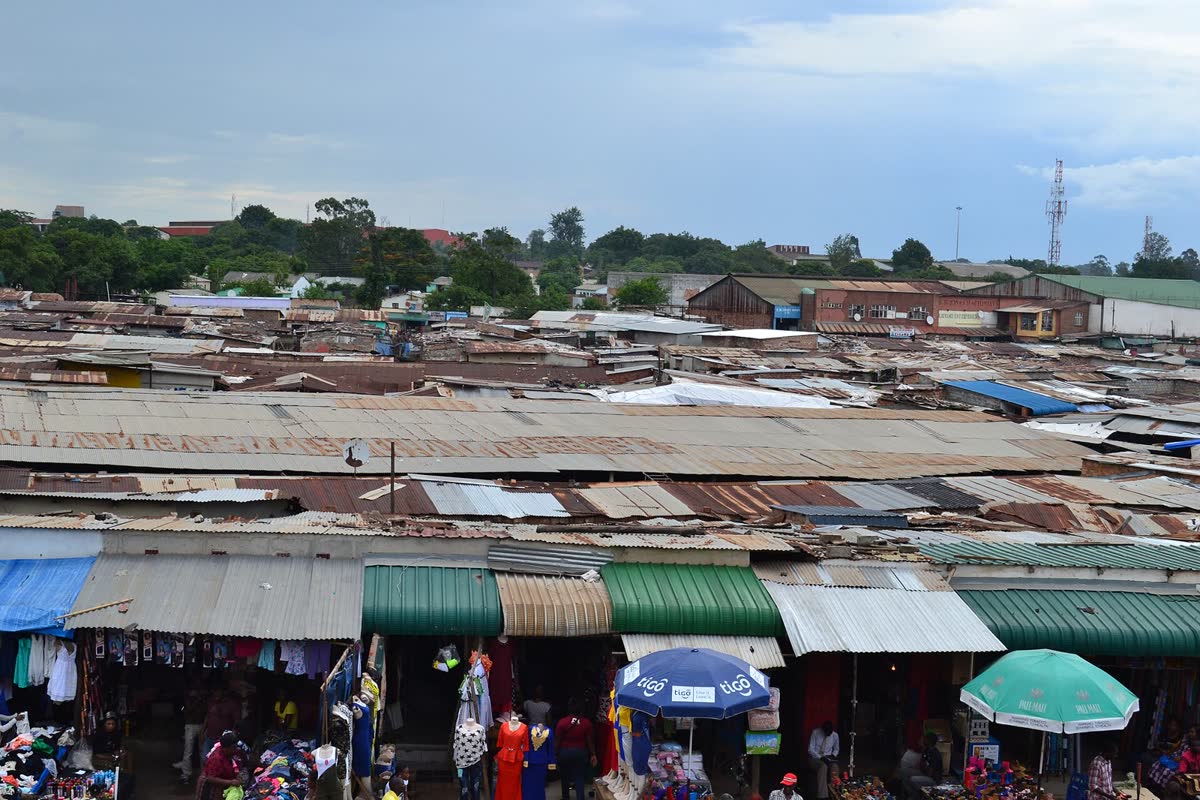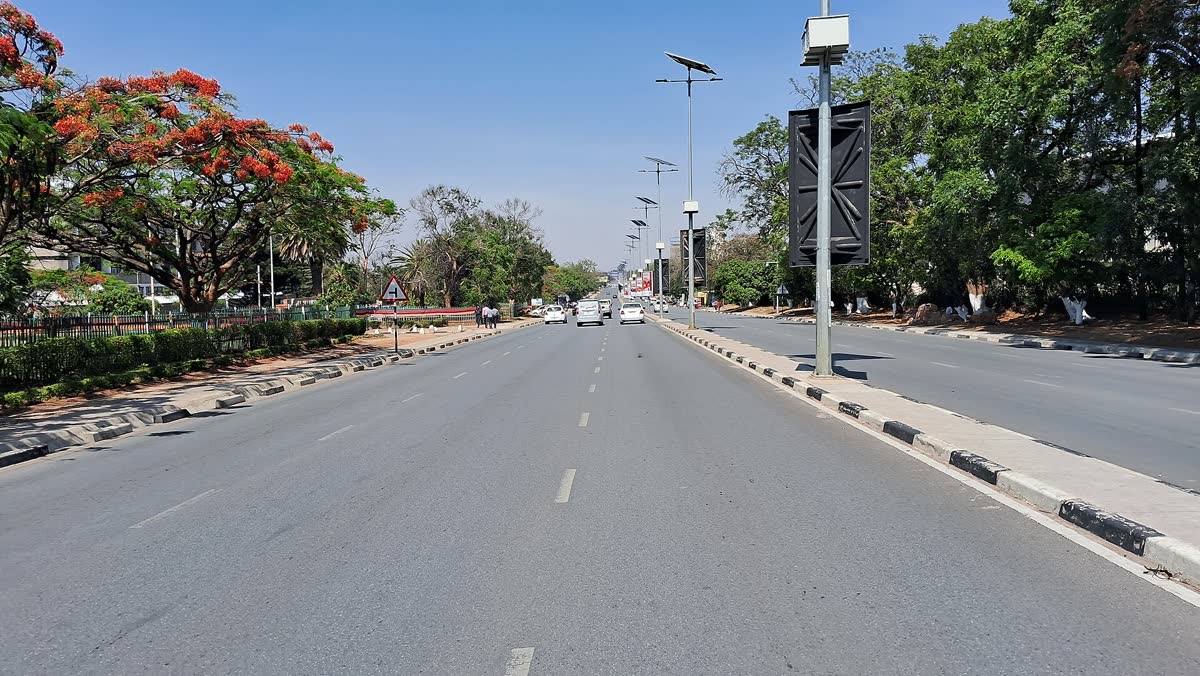
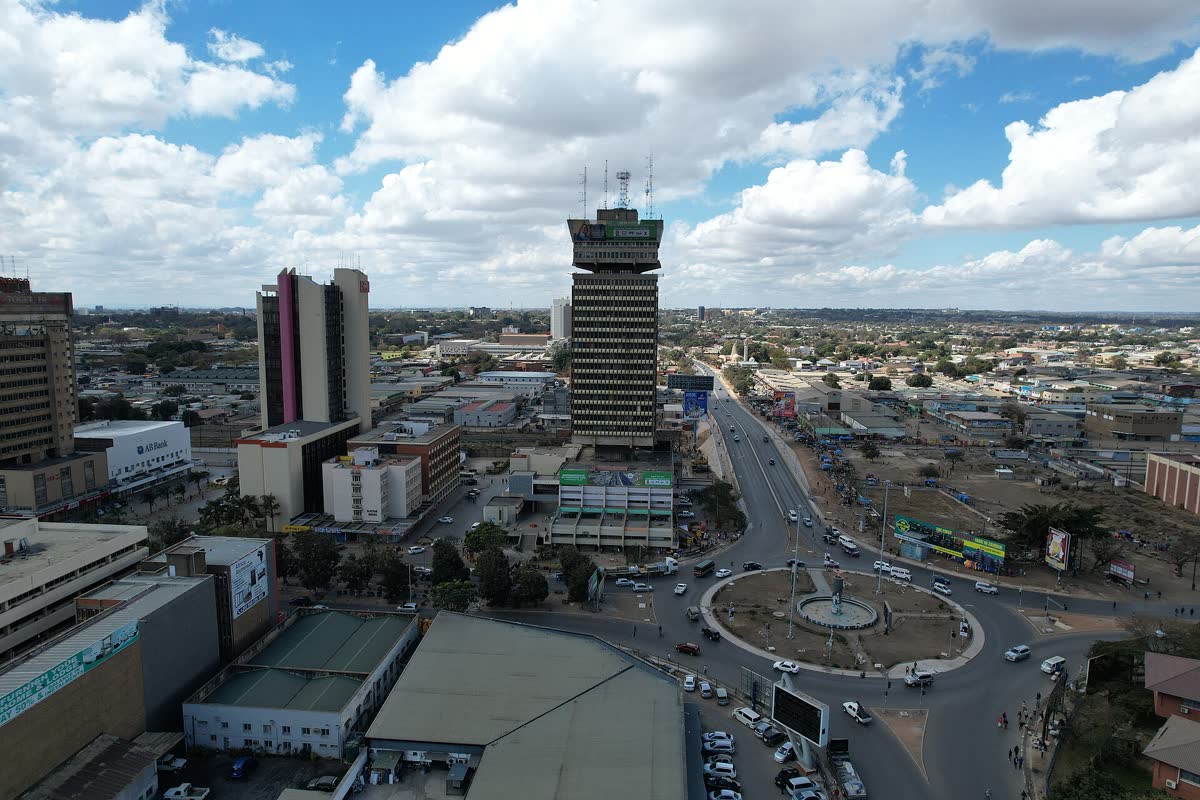
For years the pavements of Lusaka's city centre have been a market of their own: tomatoes, airtime, phone covers and second-hand clothes laid out between the shops and the road. In early October 2026 that changed. The Lusaka City Council stopped street vending on the main roads of the central business district, and traders are being moved into designated markets.
Whatever you think of how it was done, the city centre now works differently, and every business in and around it is affected. This article sets out what has happened, what it means for street vendors, for shops, and for larger businesses, and what you can do to come out of it stronger.
What has happened
- The deadline. The council gave vendors until the end of September to leave undesignated areas, and announced that street vending would not be permitted from Saturday 3 October 2026.
- The roads. Reports name Cairo Road, Lumumba Road, Freedom Way, Chachacha Road, Ben Bella Road and the area around FINDECO House and the Kafue Roundabout among the roads cleared.
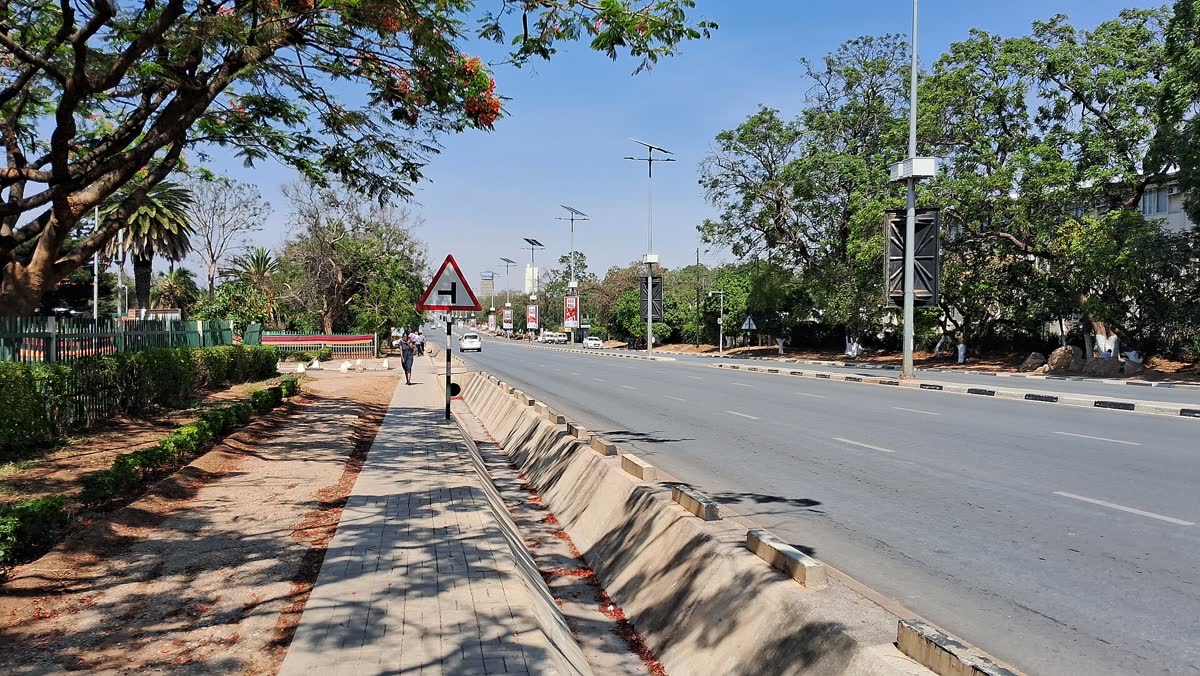
- Phase one is done. The mayor, Chitambala Mwewa, said in early October that the first phase, clearing vendors and illegal trading from the city centre, was finished. Waste bins have been put up, and council and state police are posted to stop vendors returning.
- Phase two: markets. The next phase moves vendors into designated trading places. The council has spoken of more than 14,000 trading spaces across 28 markets.
- The open question. Commentators have asked whether the markets can take everyone, with estimates of Lusaka's informal traders running to hundreds of thousands. How phase two goes will decide a great deal for small traders.
If you sold on the street
Moving off the pavement is hard: the passing customers were the business. But a fixed stall in a market can be built into something steadier than a spot on the street, if you take a few steps early.
- Get a space early, and the right one. Ask the market committee or the council about spaces, levies and rules before the best spots go. Choose the market your customers already pass, not the first one with room.
- Tell your regular customers where you are. Put your new stall location and phone number on a card, a WhatsApp status and a sign. Customers who liked your tomatoes will look for you if they know where.
- Take mobile money. A market stall with a mobile money number takes customers who do not carry cash. Write the number on your sign.
- Keep simple records from day one. A daily sales sheet shows within a few weeks whether the new place is working, and gives you something to show if you ever need a loan.
- Think about registering. A trader with a business name, a TPIN and records can supply shops and institutions, not just passers-by. Our guide to starting a shop covers the steps.
Shops in and near town
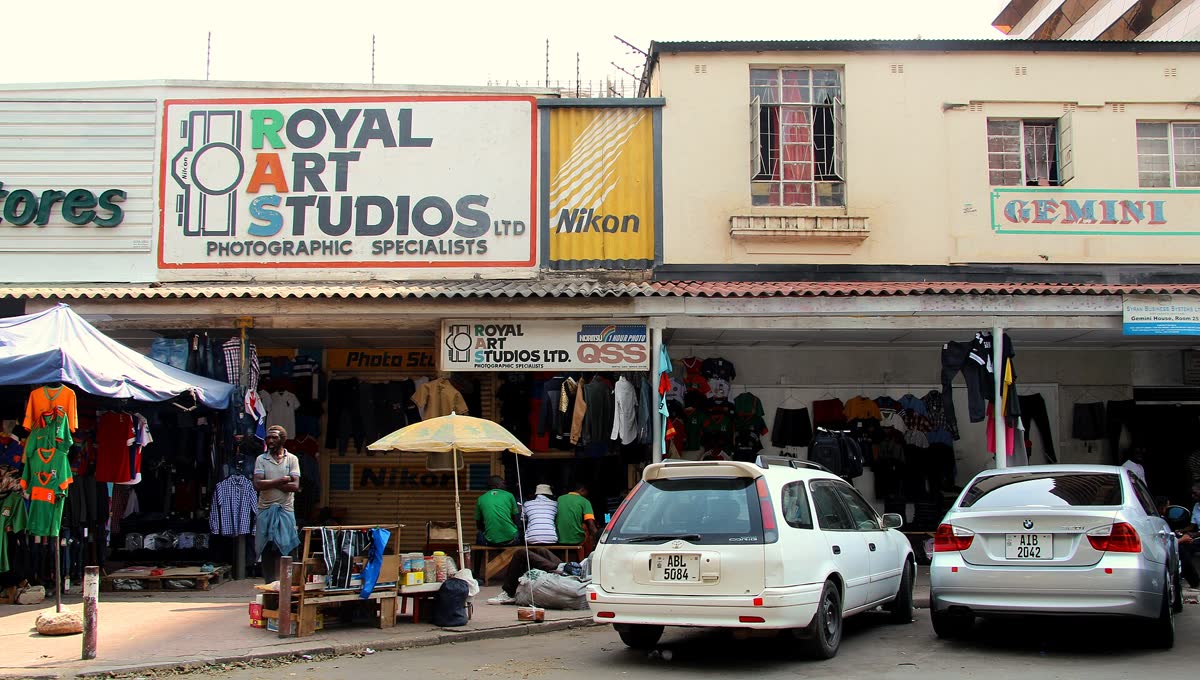
For registered shops along the cleared roads, the street in front has changed overnight. That brings opportunities and some risks.
- Your shopfront can be seen again. With the pavement clear, a clean, well-lit window and a clear sign do more work than before. This is the time to repaint, fix the sign and put your best stock where people can see it.
- Customers want what the vendors sold. People who bought airtime, small packs, snacks or phone accessories from the pavement still want them. Stocking small, fast items near the door catches that trade.
- Watch your sales week by week. Some shops will gain customers who used to buy outside; some will lose the crowd that the vendors drew. Compare your sales before and after, by week, so you know which you are.
- Keep your own frontage clean. The council is watching the streets closely. Use the bins and waste collection, and keep goods and boxes off the pavement yourself.
Larger businesses
Supermarkets, wholesalers, banks, offices and transport companies feel the change differently.
- Easier access. Clearer pavements and roads make it easier for customers to reach you and for deliveries to get in and out. Review delivery times and loading arrangements while the roads are quieter.
- Your customers have moved. Wholesalers who supplied street vendors need to find them in their new markets. A delivery round to the markets, or a stand near them, keeps that trade.
- Waste and appearance. Larger premises are visible and are expected to lead. A clear plan for waste and for the space outside your building is good practice and good for your name.
- Partnerships. Some vendors will want to sell as agents or on commission. Selling your products through organised market traders can reach customers your own outlets do not.
What every business can do now
- Check your papers. Trading licence, business name registration, TPIN: make sure they are current, as enforcement is active.
- Measure before you decide. Keep a record of daily sales from now on, so in a month you can see what the clean-up did to your business, rather than guess.
- Make it easy to pay. Cash, mobile money and card where you can. Customers whose usual vendor has moved will buy from whoever makes it easy.
- Keep the street the way it is. A cleaner city centre draws more people. Every business that keeps its own frontage clean helps keep it that way.
- Follow the next phases. The council has described the clean-up in phases. Keep an eye on its announcements for changes to markets, levies or trading hours that affect you.
Sources
This article is based on these news reports. Details may change as the council announces the next phases.
- ZNBC: Lusaka City Council removes street vendors from 6 major roads
- Diggers: You have until today to relocate, Lusaka mayor warns street vendors (29 September 2026)
- Daily Mail: Lusaka clean-up moves to phase 2 (7 October 2026)
- Lusaka Times: Where will the traders go? (1 October 2026, opinion)
- The Zambian Observer: LCC to relocate street traders in a five-phase plan